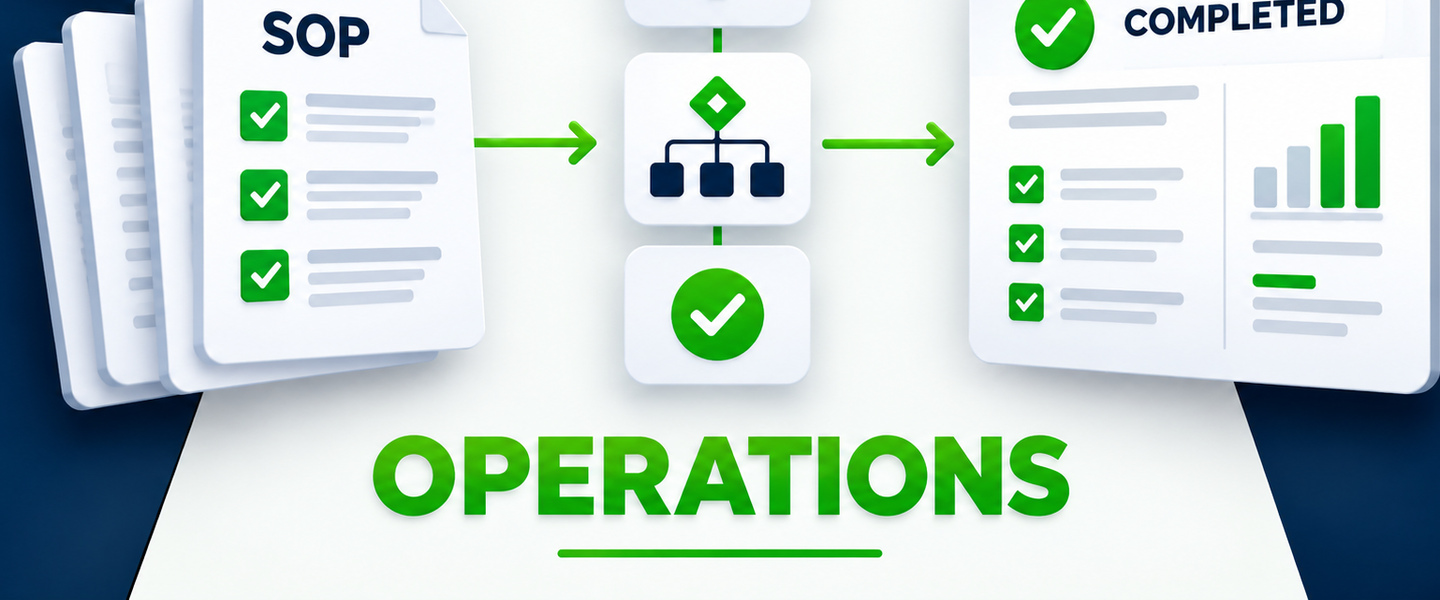

SOPs are about consistency, not bureaucracy
A standard operating procedure is simply a clear description of how recurring work should be completed. For a small or growing business, the right SOP can reduce confusion, make training easier, and keep important work from depending on one person’s memory. The wrong SOP is a long document written to satisfy a checkbox and ignored by everyone.
Seven signs your business is ready for SOPs
If employees complete the same task differently, important information lives in someone’s head, training a new person takes far too long, errors repeat, managers answer the same questions over and over, work gets missed when a key employee is out, or growth is making the operation harder to control, documentation can help.
When that person is out, the report is delayed because nobody knows which files to combine, which adjustments to make, or who reviews the final numbers. That is exactly the type of process that should be documented.
Start with the process that hurts the most
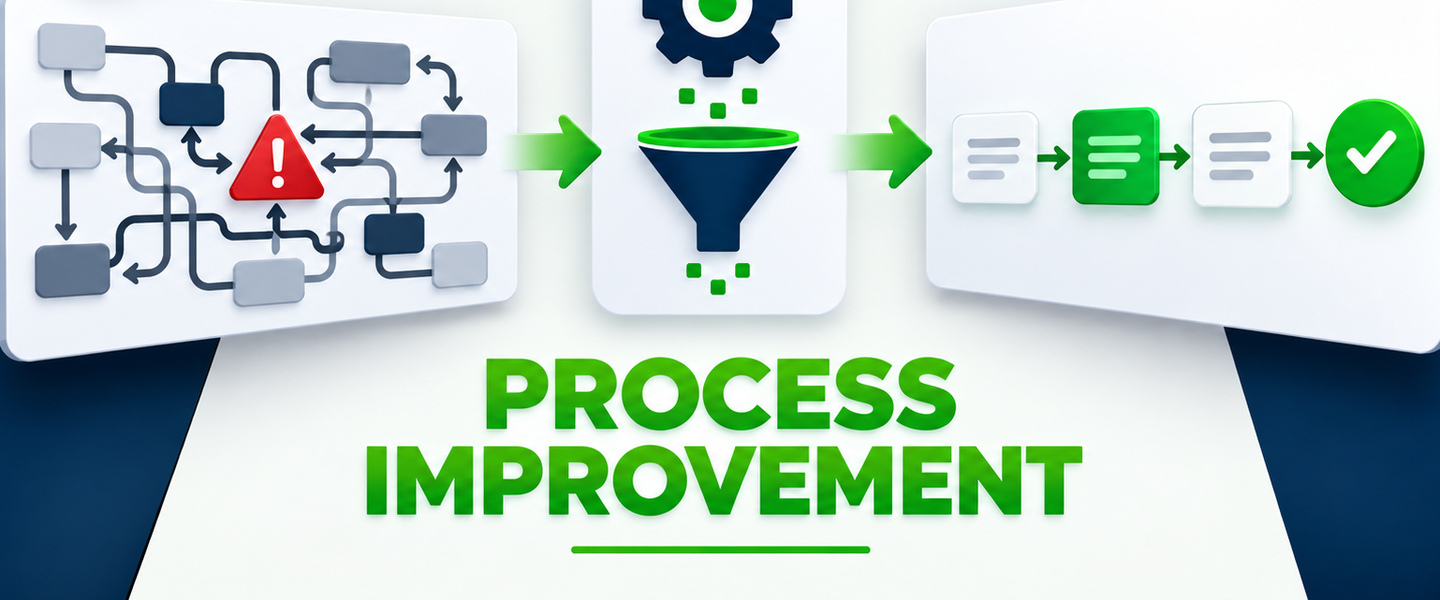
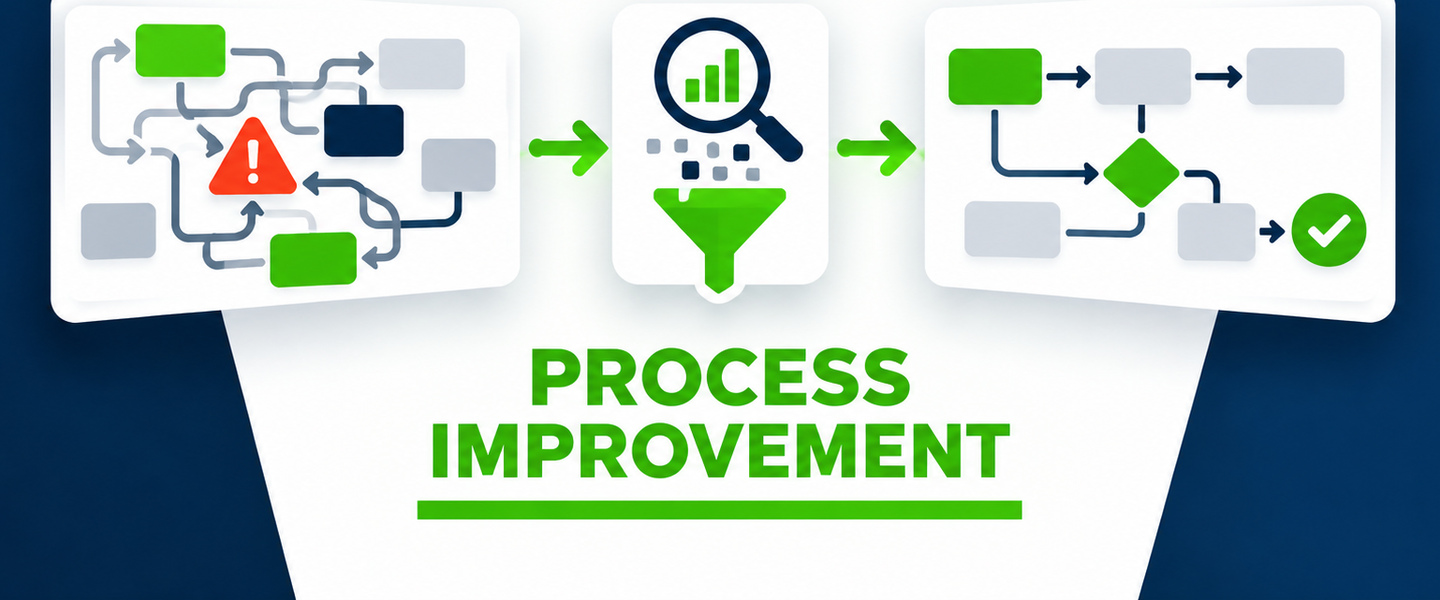
Do not try to document the entire company in one weekend. Start with a recurring process that creates delays, errors, risk, or unnecessary management attention. Map what actually happens today before deciding what the process should look like tomorrow.
A useful SOP should answer real questions
Who owns the process? What triggers it? What information is needed? What are the major steps? What decisions require approval? What happens when something goes wrong? Where is the work recorded? What does “done” look like? If the document cannot answer those questions clearly, it is probably not helping the operation.
Keep the procedure connected to the real workflow
The strongest SOPs are built around the tools, roles, forms, systems, and handoffs employees actually use. Documentation should support the operation, not force the operation to pretend it works differently.
Start with the processes where inconsistency, missed steps, training gaps, or unclear ownership are already creating friction. Documenting the highest-impact work first usually creates more value than trying to write a manual for the entire company at once.