Start with the process as it actually happens
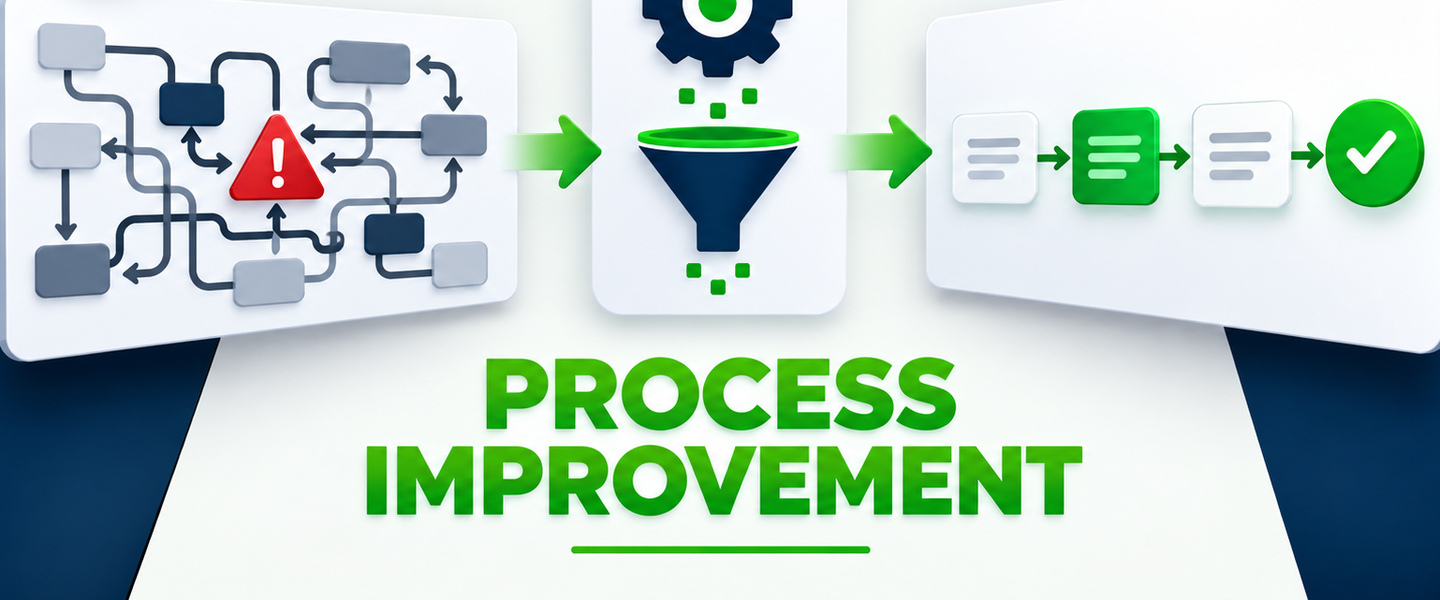
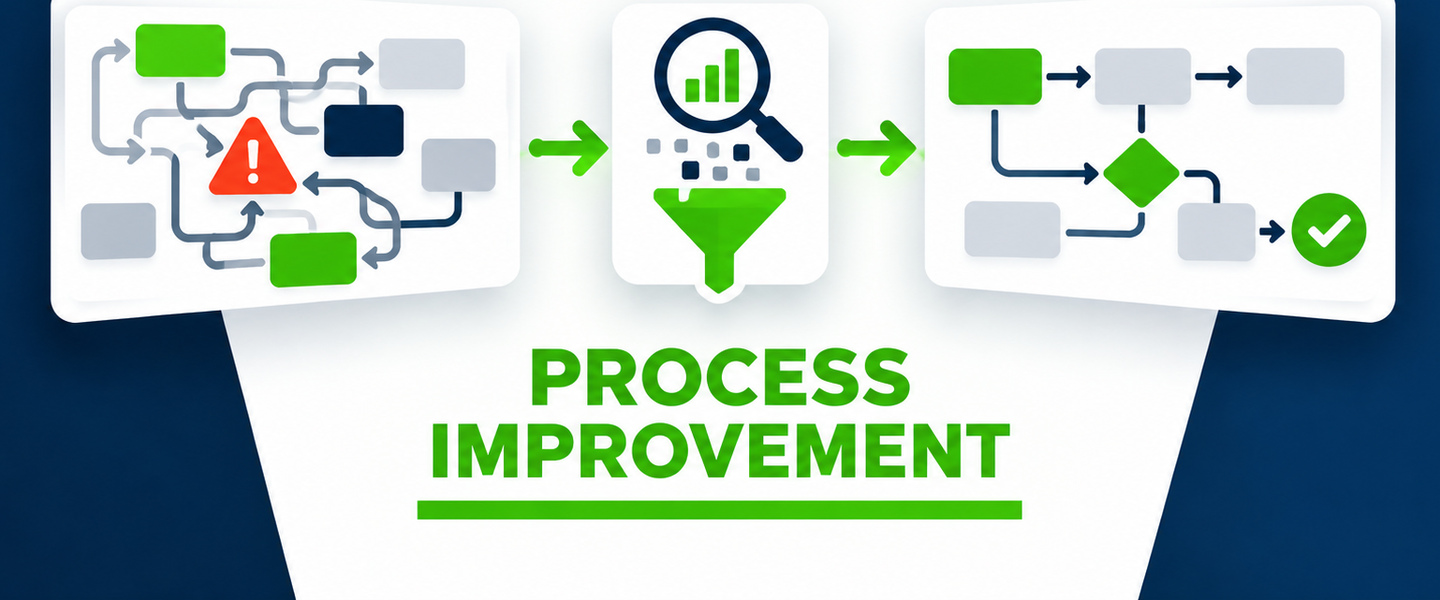
The quickest way to miss a bottleneck is to review the process people think they follow instead of the process they really use. Talk to the people doing the work and map the current state from trigger to completion.
Include the systems, spreadsheets, forms, approvals, handoffs, and waiting periods. Many bottlenecks sit between tasks rather than inside them.
Separate touch time from wait time
A step may take only five minutes of work but sit in a queue for two days. If you only measure how long the task takes once someone starts it, you will miss the larger delay.
Look for where work piles up
Backlogs are visible evidence. Find the stage where requests, orders, jobs, approvals, or reports accumulate faster than they are completed. Then ask what limits that stage: capacity, unclear rules, missing information, approvals, rework, or a dependency on one person.
Count handoffs and decision points
Every handoff creates an opportunity for delay or loss of context. Every decision point can create a queue if the rule is unclear or the decision-maker is overloaded. A process map makes those friction points visible.
Find rework, not just delay
A process can appear fast while still wasting time if work regularly comes back for correction. Track why items are returned, which fields are commonly missing, and where errors are first discovered.
That question often exposes approval queues, incomplete intake, unclear ownership, missing information, and manual handoffs faster than a general discussion about efficiency.
Test one change at a time
Once the likely bottleneck is clear, change the smallest practical part of the workflow and measure the effect. You may remove an unnecessary approval, improve the intake form, clarify ownership, create a standard decision rule, rebalance workload, or automate a repetitive handoff.
Watch for the bottleneck to move
Improving one stage can reveal the next constraint. That is normal. Process improvement is not a one-time redesign. It is a cycle of mapping, measuring, changing, and reviewing.