Step 1: Define where the process starts and ends
A process needs boundaries. Identify the trigger that starts the work and the outcome that marks it complete. This prevents documentation from expanding into every related activity in the business.
Step 2: Identify the people and systems involved
List the roles, applications, spreadsheets, forms, email inboxes, approvals, and external parties involved. Many operational problems are hiding in the handoffs between those pieces rather than inside the individual task.
Step 3: Map what happens today
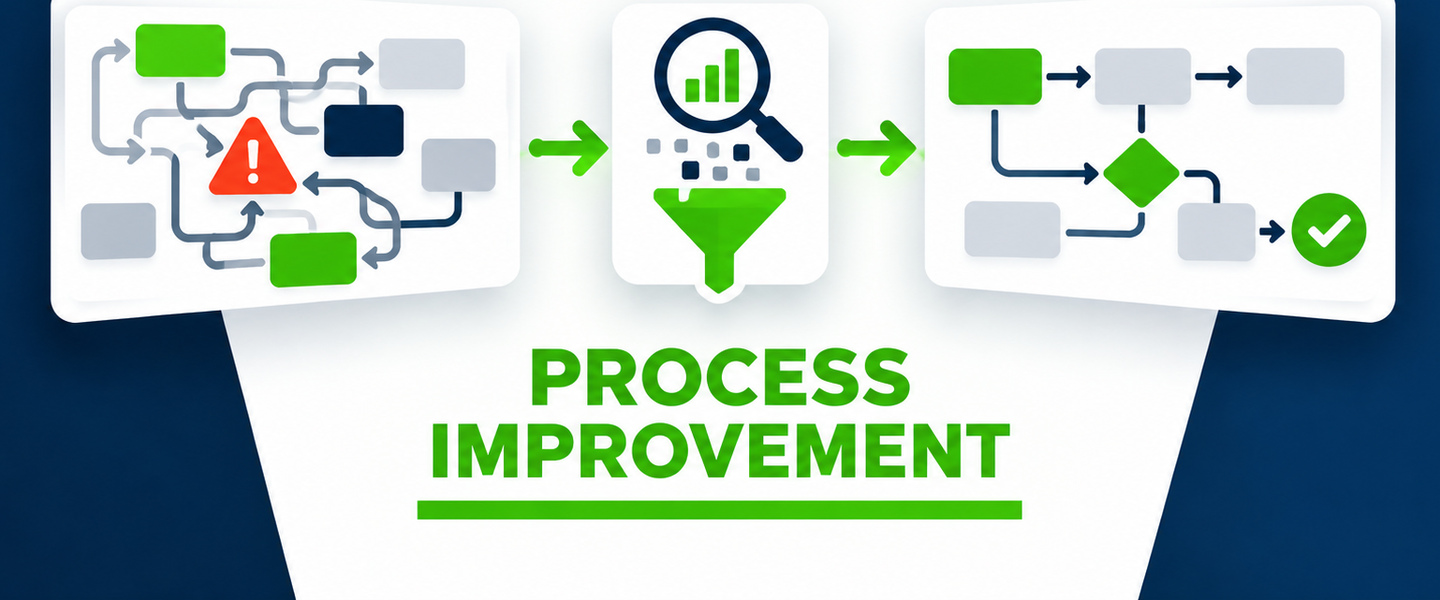
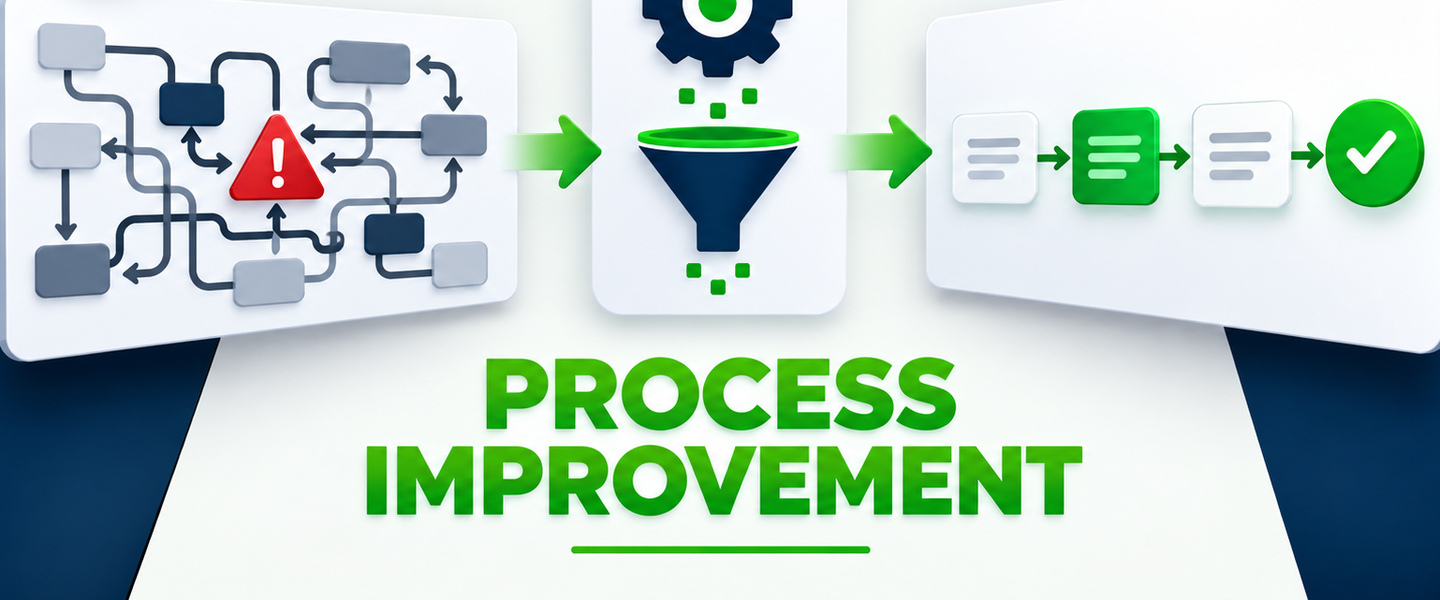
Document the current state before designing the future state. What does the employee actually do? Where do they get the information? What do they wait for? Which steps are manual? Where are mistakes usually discovered? This is where you find the real process rather than the process everyone assumes exists.
Step 4: Separate required steps from accumulated habits
Processes collect unnecessary steps over time. A task may still be done because an old manager requested it years ago, because a system used to require it, or because nobody ever reconsidered it. Documentation is an opportunity to challenge those steps.
Step 5: Make ownership obvious
Every recurring process should make clear who is responsible for starting it, who makes decisions, who completes each handoff, and who confirms completion. “The team handles it” is usually where accountability disappears.
Step 6: Test the document with someone who did not write it
The best test is whether another qualified person can follow the process without the author standing beside them. Their questions show you where the document assumes knowledge that was never written down.
The people closest to the work often know where the real handoffs, workarounds, delays, and exceptions live. Capturing the current process first makes it much easier to separate necessary steps from habits that accumulated over time.