
Look for repetitive, rules-based work
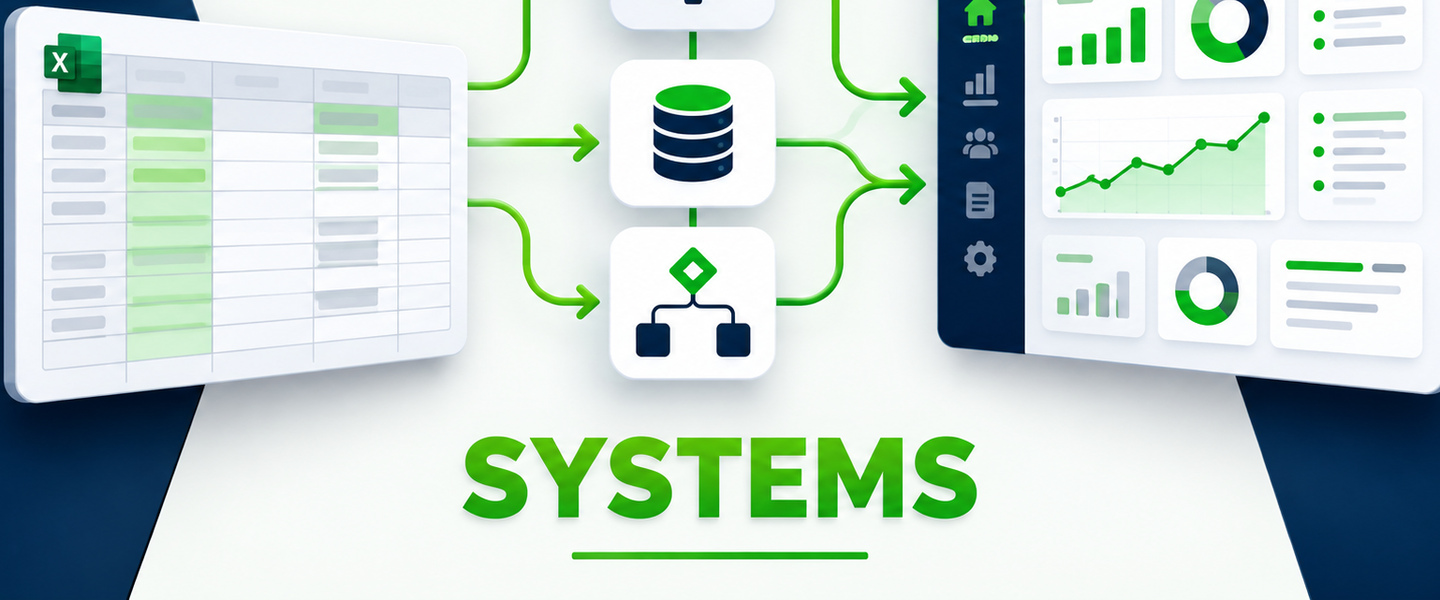
Good automation candidates often involve moving information between systems, sending recurring notifications, generating routine reports, creating standardized documents, processing predictable data, updating trackers, or routing work based on clear conditions.
Measure the friction before choosing the technology
Ask how often the task occurs, how much staff time it consumes, how frequently mistakes happen, how many handoffs are involved, and what the impact is when the process is delayed. A simple spreadsheet improvement can sometimes solve a problem more effectively than a complicated automation platform.
Do not automate a process nobody understands
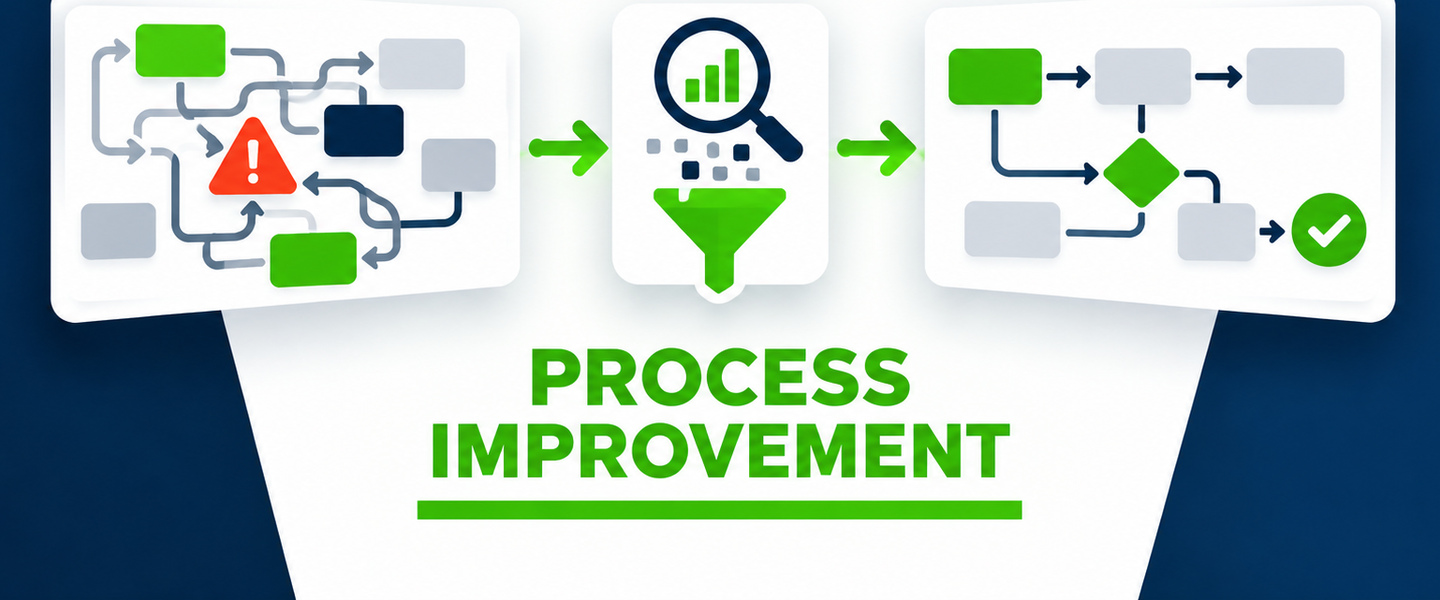
If employees disagree about the correct process, approvals are unclear, exceptions happen constantly, or the inputs are unreliable, fix the workflow first. Automation should implement a good process, not hide a bad one.
Start with one visible win
A successful first automation should be easy to explain and easy to measure. Examples include consolidating weekly data, generating a management report, creating reminders from a tracker, standardizing intake, or eliminating repeated copy-and-paste work.
Keep humans where judgment matters
Approvals, exceptions, sensitive communications, quality reviews, and decisions involving context may still require people. Strong automation does not remove humans indiscriminately. It gives them more time for the work that actually needs judgment.
If ownership is unclear, exceptions are unmanaged, or the underlying steps do not make sense, automating the workflow can simply move the confusion faster. Understand the work first, then automate the parts that benefit from consistency and speed.