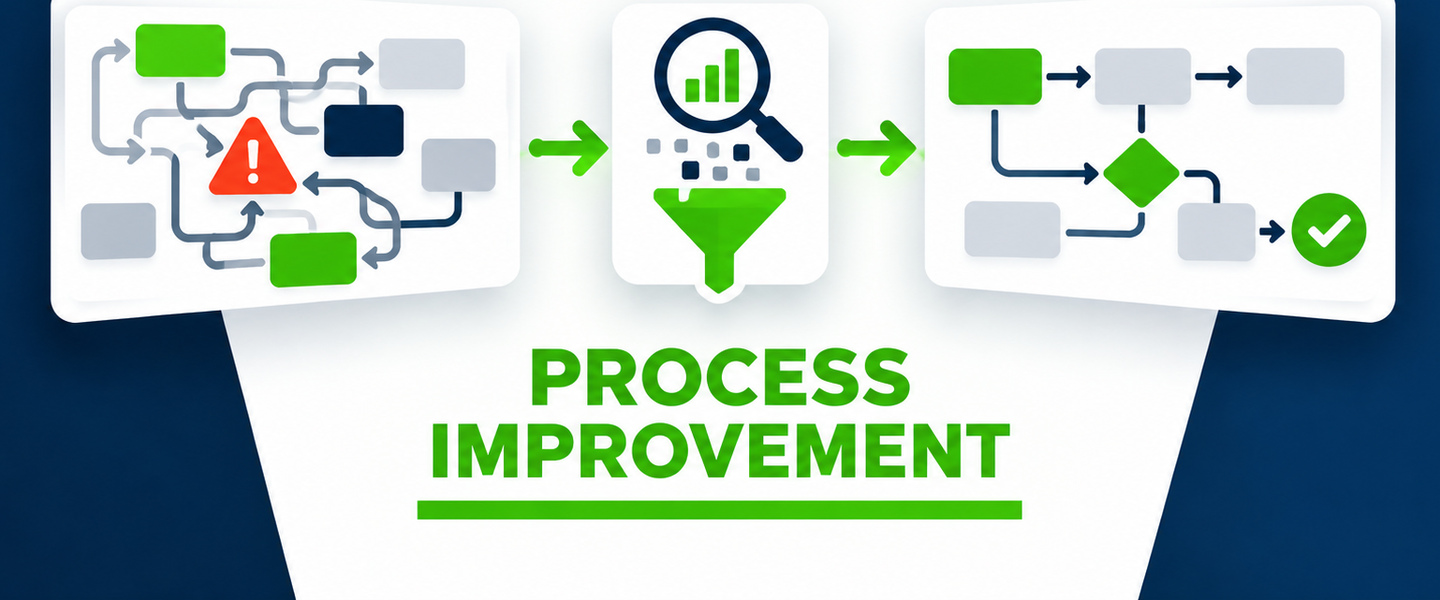
Handoffs are where good processes often slow down
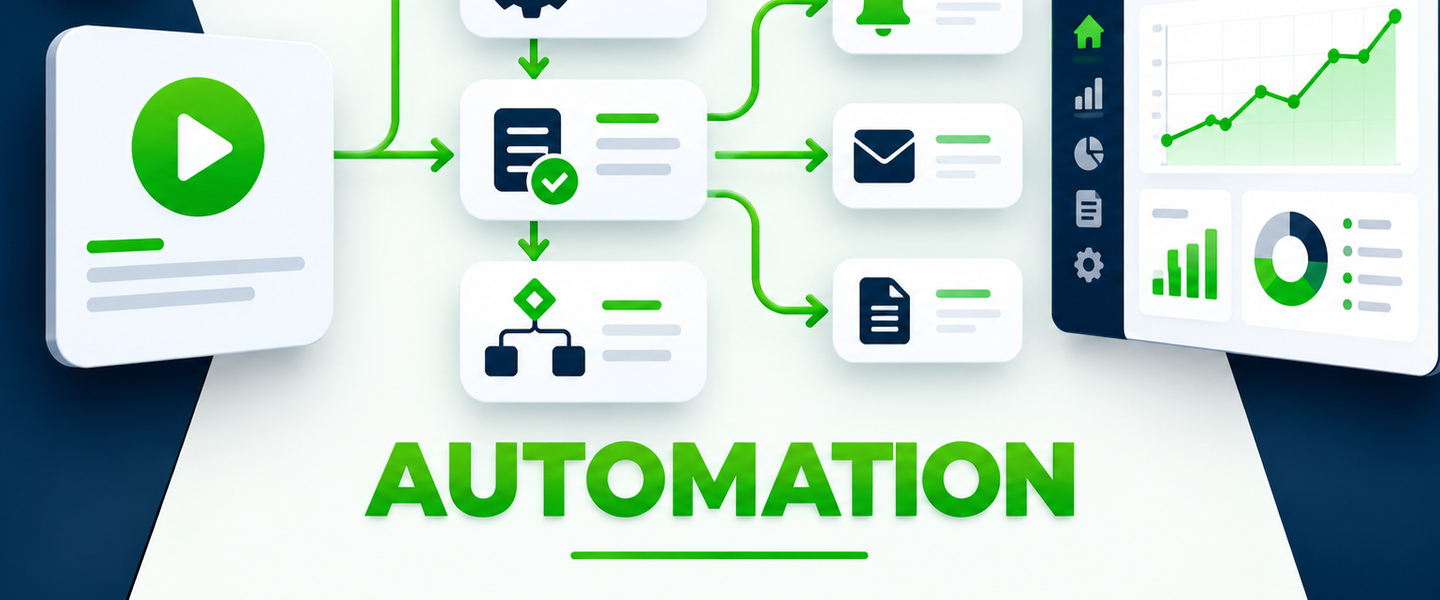
A task can be completed correctly and still create a delay if the next person does not know it is ready, does not have the information they need, or is unclear about what happens next. That is why handoffs are often strong candidates for automation.
The goal is not simply to send more notifications. The goal is to make the transition from one owner or stage to another predictable and visible.
Define the trigger precisely
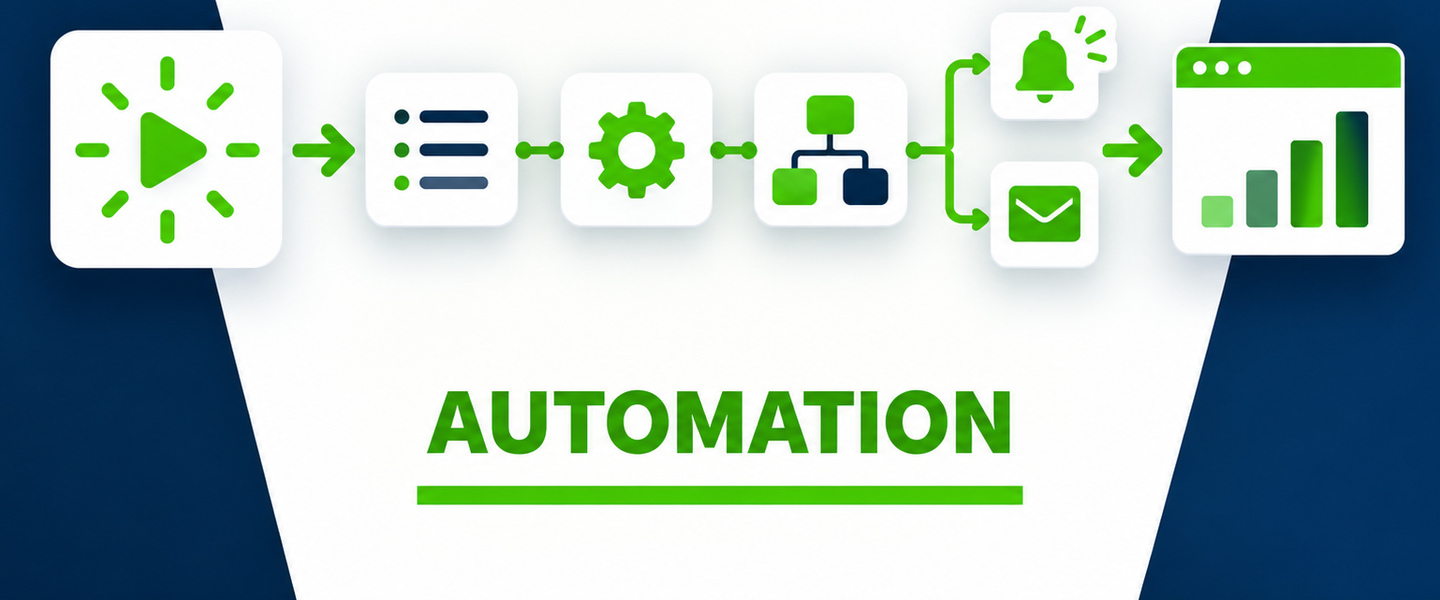
An automation needs a clear event that means the handoff is ready. Examples include an approved form, a status change, a completed checklist, a signed document, a payment, or a record that meets defined conditions. Vague triggers create duplicate work and false alerts.
Assign one clear owner for the next step
A message sent to a group is not the same as assigning responsibility. The automation should identify the next owner, create or update the work item, and give that person enough context to act.
Carry the information with the handoff
If the next person has to hunt through emails or another system to understand what happened, the handoff is incomplete. Include the relevant record, required fields, documents, decision history, and link back to the source.
Build a timeout and escalation path
Automated workflows still need a plan for silence. Decide what happens if the next step is not completed by the expected time. A reminder may be enough for low-risk work. Higher-impact items may need escalation to a supervisor or an exception queue.
Do not bury unusual cases inside complicated logic. When judgment is required, route the item to a person with the context needed to decide what happens next.
Keep human approval where it adds value
Approvals involving money, customer commitments, compliance, quality, or unusual exceptions may still need a person. Automation can prepare the decision, organize the information, and record the outcome without pretending every decision should be automatic.
Confirm completion, not just delivery
A handoff is not successful because an email was sent. Track whether the next stage actually began or completed. That creates better accountability and better reporting on where work is waiting.
Measure the result
After launch, look at cycle time, overdue items, exception volume, rework, and manual touches. If the automation adds alerts without reducing friction, it may need to be simplified.