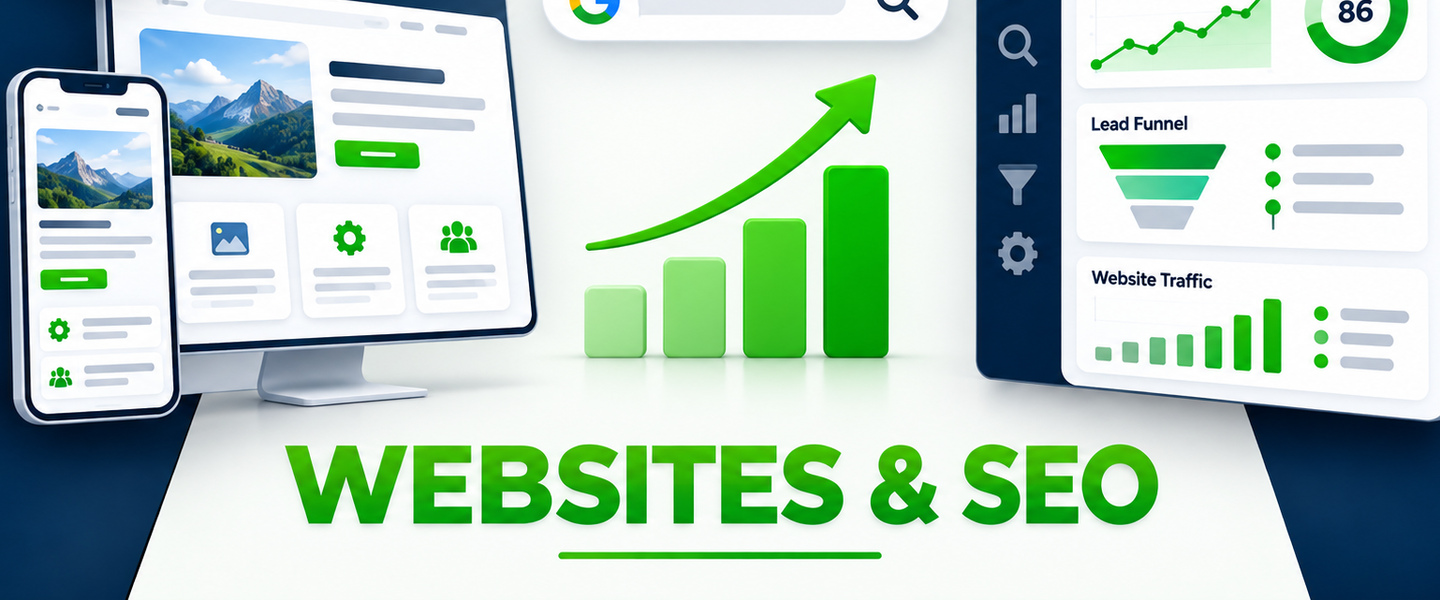

SEO starts with helping search engines understand a useful website
Search engine optimization is not a single trick or a list of keywords to repeat. The foundation is a site that can be crawled, has clear content, works well for visitors, and accurately explains the business.
Make each important service understandable on its own
A search engine and a visitor should be able to understand what a page is about from the title, heading, main content, and surrounding context. Avoid putting every service into one vague page if customers search for those services separately.
Write for the customer question, not for a keyword counter
Useful content should answer real questions, explain real services, and demonstrate practical knowledge. Repeating a phrase unnaturally does not make weak content more helpful. Focus on clarity, completeness, and accuracy.
Make the site technically easy to access
Important pages should be reachable through normal links, load securely, work on mobile devices, and avoid technical issues that prevent indexing. Use a sitemap and clear internal linking to help search engines discover the pages that matter.
Use titles, descriptions, and structured information carefully
Page titles and search snippets should accurately reflect the page. Structured data can help search engines understand certain types of information when it is implemented correctly and matches what visitors can see on the page.
Strengthen local signals when location matters
For a local service business, keep the business name, contact information, service area, hours, and location details accurate across the website and relevant business profiles. Local search depends on more than the website alone.
Search results change, competitors change, and search engines use many systems. A stronger goal is to improve discoverability, relevance, technical quality, and conversion while measuring performance over time.
Use Search Console and analytics to learn what is happening
Track which pages are being indexed, what search queries create impressions and clicks, and whether visitors take meaningful actions after they arrive. SEO decisions are stronger when they are based on actual performance rather than assumptions.
Keep improving the pages that matter
Update stale information, strengthen thin service pages, answer new customer questions, improve internal links, and fix technical issues that affect usability. SEO is ongoing maintenance of a useful digital asset, not a one-time setup.